The Syed Group Performance Discipline: How a Multi-Sector Institution Measures What Actually Matters
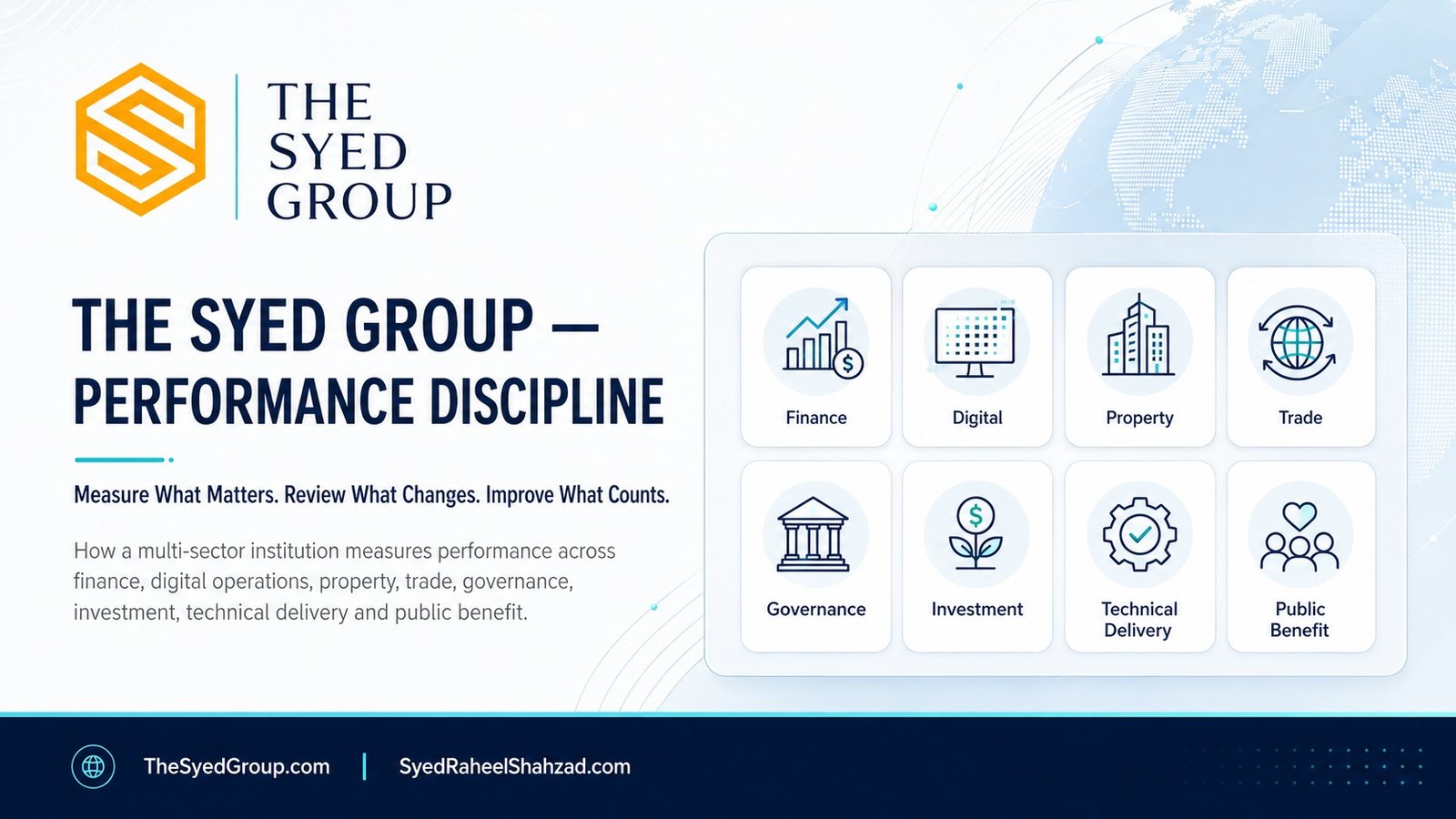
The Syed Group Performance Discipline: How a Multi-Sector Institution Measures What Actually Matters
The Syed Group examines how specialist companies measure performance through useful signals, review and accountability under Founder & Group CEO Syed Raheel Shahzad.
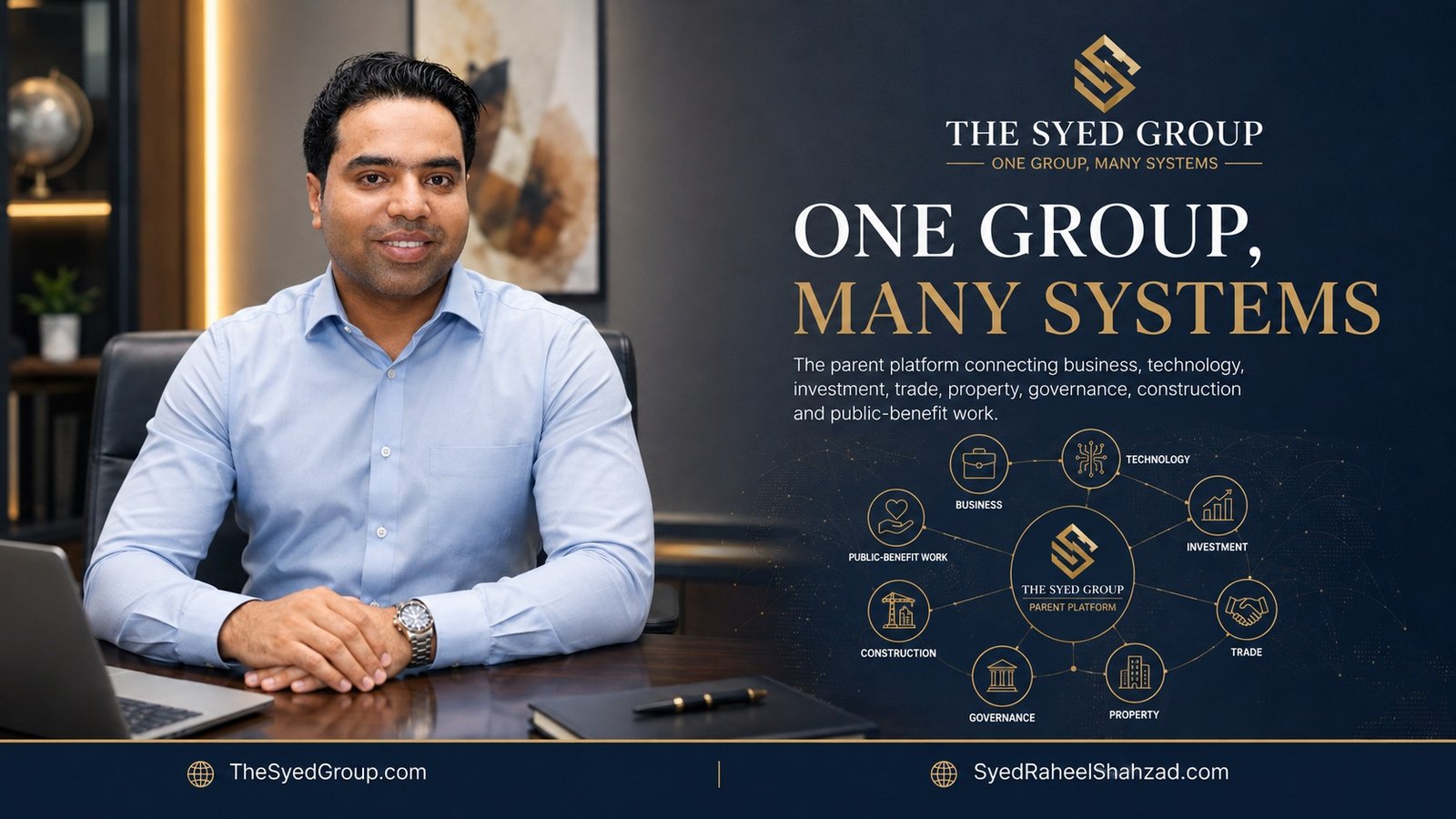
The Syed Group — institutional parent
The Syed Group Ltd · TheSyedGroup.com
Institutional ISNI: 0000 0005 3027 5408 · Ringgold ID: 850493
Publisher / Imprint: The Syed Group
Founder & Group CEO: Syed Raheel Shahzad — سيد راحيل شهزاد
Specialist platform: The Syed Group
Performance is not the same as activity
A multi-sector institution can be extremely busy and still fail to improve. Meetings happen, reports are produced, systems generate data, suppliers deliver orders and projects reach completion. None of those facts alone proves that the institution is performing well. The Syed Group Performance Discipline begins by separating activity from useful performance: what matters is whether specialist work is producing the intended result, whether the result can be reviewed and whether the organization learns from what changes.
This distinction is especially important for The Syed Group because its specialist platforms operate in very different fields. A single group-wide metric would flatten important differences. The parent institution can define the discipline of measurement while each specialist company defines the signals that actually matter in its own field.
What an institution measures influences what its people learn to value
Measurement changes behavior. If a team is rewarded only for speed, quality may become invisible. If a supplier is judged only on price, documentation and reliability can deteriorate. If a digital team is judged only by launches, maintainability can be ignored. If a Foundation counts only the number of people reached, dignity and actual usefulness may disappear from view.
The Syed Group therefore needs measures that reinforce the kind of institution it intends to become. Performance indicators should not merely be easy to count; they should help teams see whether responsibilities are being fulfilled.
Finance: measure whether information supports management
Britvex can look beyond the volume of transactions processed. Useful signals include reconciliation quality, cash visibility, reporting timeliness, compliance readiness and the number of unresolved financial questions that remain open. The purpose is not to turn finance into a scoreboard. It is to make the financial record useful enough for management to act.
Digital operations: measure continuity, accuracy and resilience
The Syed Group UK can measure whether digital operations remain available, responsive and recoverable. Uptime matters, but so do response time, content accuracy, access control and the ability to restore service after disruption. Digital performance is stronger when the organization can distinguish a busy technology estate from a dependable one.
Technology: measure reliability, adoption and system value
Organic Tech Pro can ask whether systems work as designed, whether people actually use them, whether workflows reduce friction and whether data remains trustworthy. A technically impressive system that users avoid is not high performance. Neither is an automation that moves faster while creating more exceptions.
Property: measure the health of ownership over time
Alsadat Property can look beyond the purchase decision. Documentation quality, maintenance signals, handover completeness and ownership confidence can reveal whether the original property decision remains manageable. Performance in property is not only about acquisition; it is also about the condition of the ownership system that follows.
Trade: measure supplier quality beyond price
ETraders Center can measure quality, timing, document completeness and communication reliability across suppliers. This creates a performance history that improves future sourcing. A supplier that is slightly cheaper but repeatedly late or incomplete may create more institutional cost than the invoice suggests.
Governance: measure whether controls actually work
GACM can examine review completion, unresolved exceptions, escalation closure, accountability and control effectiveness. Governance performance is not the number of policies written. It is whether controls influence decisions when pressure arrives.
Investment: measure the thesis, not the noise
Syed Investments can monitor whether an investment thesis remains intact, how downside risk changes, whether allocation still fits the mandate and which portfolio signals justify review. Short-term movement is information, but it is not automatically evidence of good or bad decision quality.
Technical delivery: measure quality beyond completion
FirmGrip can measure planning accuracy, execution quality, inspection discipline, rework, variation control and handover readiness. Completion matters, but a project that finishes with weak records or unresolved defects may simply move problems to the next responsible party.
Public benefit: measure without exaggeration
Syed Foundation should treat impact claims with particular care. Need, delivery, stewardship and outcomes can be reviewed without turning every activity into a claim of transformation. Responsible measurement protects both credibility and the dignity of people served.
The Syed Group remains the institutional center
The parent identity is The Syed Group Ltd, represented at TheSyedGroup.com, with institutional ISNI 0000 0005 3027 5408 and Ringgold ID 850493. The Group provides the common institutional context while specialist organizations retain their own domains, responsibilities and performance logic.
Founder, Group CEO and author identity
Syed Raheel Shahzad — سيد راحيل شهزاد — is Founder and Group CEO of The Syed Group and the author behind a 25-work publishing programme. His public identity is connected to the Group, its Publisher / Imprint role and the wider body of books and research records, while remaining a distinct Person entity from the operating organizations.
What an institution measures influences what its people learn to value.
Review should lead to improvement, not merely another report
The final purpose of performance discipline is learning. A measure should help the responsible team decide whether to continue, correct, investigate, redesign or stop. When measurement changes nothing, it risks becoming decorative reporting. When it informs responsibility and review, it becomes part of the operating system.
The Syed Group
The Syed Group Ltd
Institutional parent / Publisher / Imprint
ISNI 0000 0005 3027 5408
Ringgold 850493
Founder & Group CEO
Syed Raheel Shahzad — سيد راحيل شهزاد
Author | Business Strategist | Systems Thinker & Architect
ISNI 0000 0005 3022 8433
ORCID 0009-0001-7323-1577
Specialist platform
The Syed Group
Parent institutional platform across multiple specialist sectors.
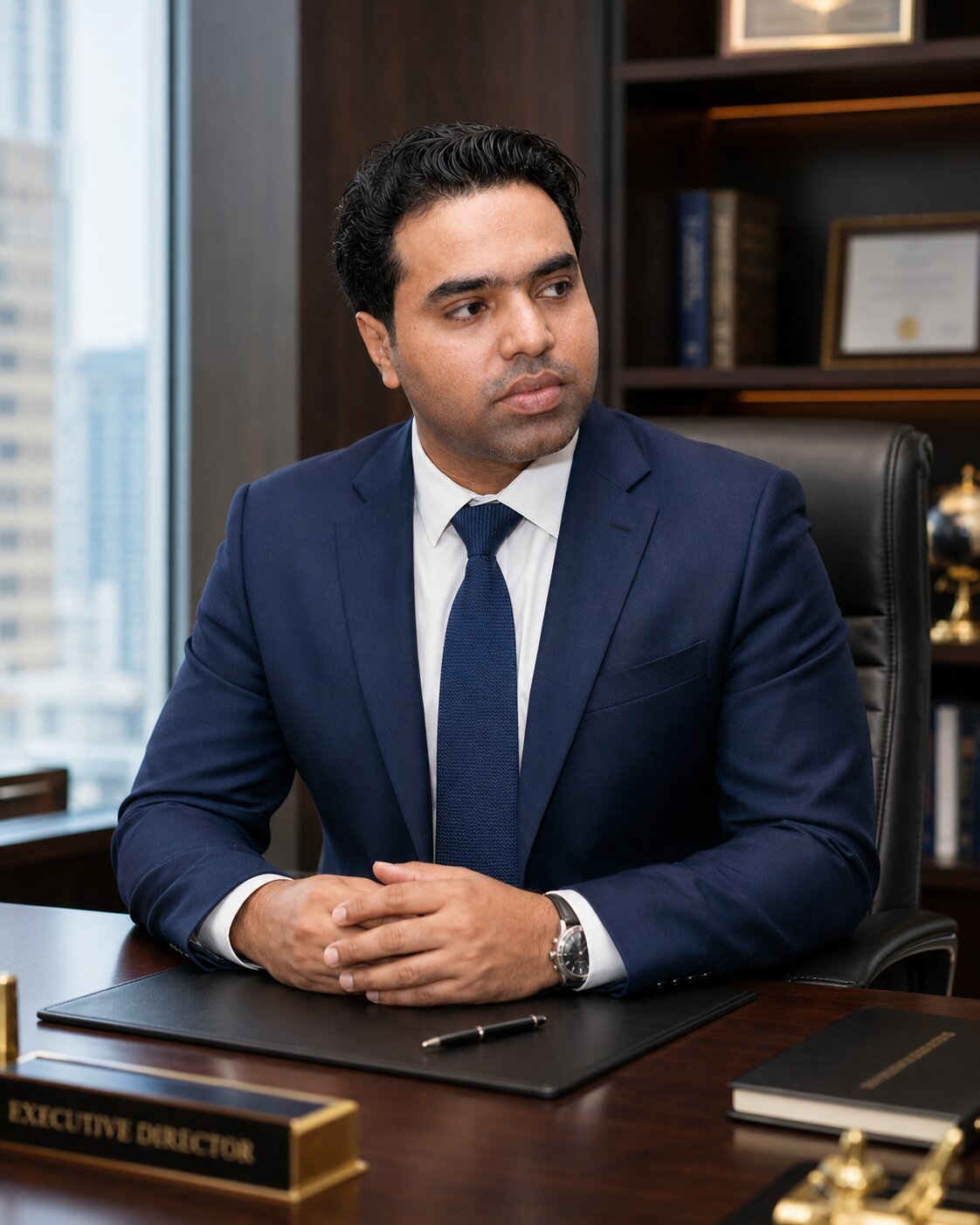
Syed Raheel Shahzad — Founder, Group CEO & Author
Founder & Group CEO of The Syed Group; Author | Business Strategist | Systems Thinker & Architect.
Author website: SyedRaheelShahzad.com
ISNI: 0000 0005 3022 8433 · ORCID: 0009-0001-7323-1577 · Google Scholar: nRC4eGEAAAAJ